Sweatshirts Fabric Guide: GSM, Fleece, French Terry & Performance Blends Selecting the right fabric is a cornerstone of producing high...
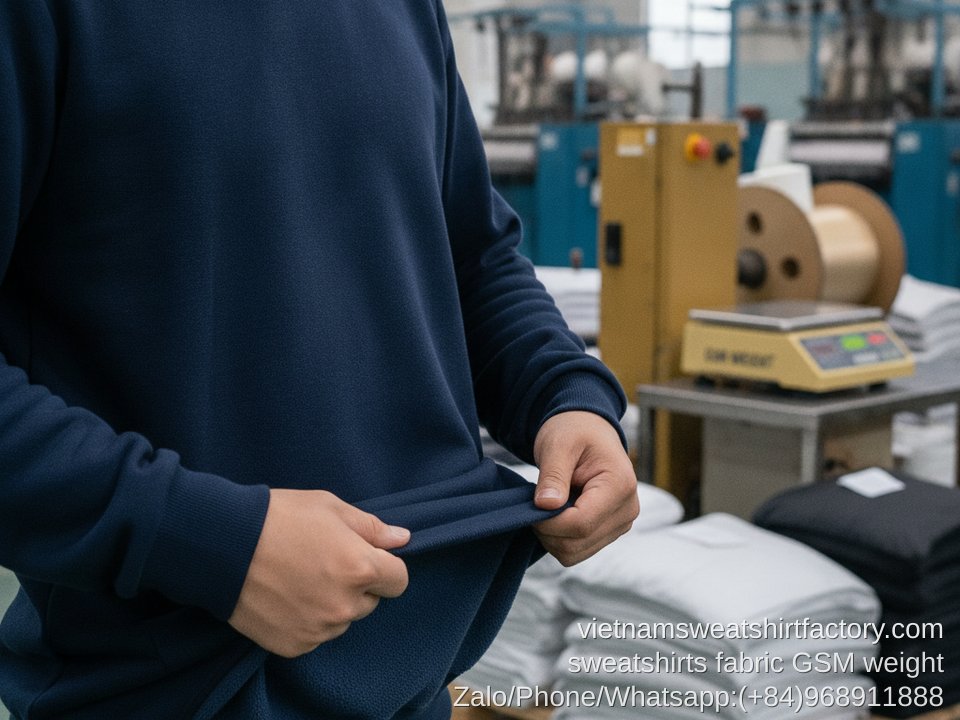
Sweatshirts Fabric Guide: GSM, Fleece, French Terry & Performance Blends
Selecting the right fabric is a cornerstone of producing high-quality sweatshirts that meet both aesthetic and functional demands. For technical buyers, understanding fabric weight, construction, and material composition is crucial for achieving the desired feel, durability, and performance. This guide delves into the key elements of sweatshirt fabrics, focusing on sweatshirts fabric GSM weight and common material types to help you make informed decisions for your next production run.
At Vietnam Sweatshirt Factory, operated by Gold Garment in Ho Chi Minh City, we understand that the foundation of a great sweatshirt lies in its material. With a minimum order quantity (MOQ) of just 100 pieces and factory-direct pricing, we empower brands to source premium custom apparel. Our expertise spans various fabrications, ensuring you receive garments that perfectly align with your brand's vision and your customers' expectations. Understanding the nuances of fabric weight, such as sweatshirts fabric GSM weight, is the first step in this process.
The choice of fabric directly impacts the drape, warmth, and overall feel of a sweatshirt. Whether you're aiming for a lightweight layer or a heavy-duty piece for colder climates, the fabric's properties are paramount. This detailed sweatshirt GSM guide will equip you with the knowledge to specify your requirements with confidence, ensuring a successful partnership in your Vietnam textile sourcing journey.
Understanding Sweatshirt Fabric Weight: The GSM System
When discussing garment weights, especially for knit fabrics like those used in sweatshirts, GSM (Grams per Square Meter) is the standard metric. This measurement indicates how much a square meter of fabric weighs. A higher GSM value signifies a heavier, denser fabric, while a lower GSM indicates a lighter, more breathable material.
For sweatshirts, the typical GSM range can vary significantly, influencing everything from warmth to durability. Understanding this is key to selecting the appropriate fabric for your specific product needs. For instance, a lightweight fleece for a transitional season might fall in the 200-250 GSM range, whereas a heavy-duty winter sweatshirt could be 350 GSM or higher.
The sweatshirts fabric GSM weight is a critical specification for manufacturers and buyers alike. It provides a quantifiable measure that helps ensure consistency across production runs and allows for direct comparison between different fabric options. This objective measure is invaluable when communicating your needs to a factory, ensuring that the final product matches your expectations.
Common GSM Ranges for Sweatshirts
- Lightweight (180-250 GSM): Ideal for warmer climates or as a layering piece. Offers breathability and a softer feel. Often used for fashion-focused sweatshirts or those intended for activewear.
- Midweight (250-320 GSM): This is the most common range for everyday sweatshirts. It strikes a balance between warmth, comfort, and durability, making it suitable for a wide variety of styles and uses.
- Heavyweight (320+ GSM): Designed for maximum warmth and robustness. These fabrics are dense, offering superior insulation and a substantial feel. Perfect for extreme cold weather or workwear-inspired garments.
When you are looking to source custom apparel, understanding these GSM ranges is fundamental. As explained in our sweatshirts: Complete OEM & Private Label Manufacturing Buyer's Guide, clear specifications are essential for a smooth production process.
Exploring Popular Sweatshirt Fabric Types
Beyond weight, the construction and fiber content of sweatshirt fabrics play a significant role in their performance and feel. The most prevalent types include fleece, French terry, and various performance blends, each offering distinct advantages.
Fleece Fabric
Fleece is perhaps the most iconic fabric associated with sweatshirts. It's a knitted fabric characterized by a soft, napped surface on one side, typically the inside, which provides excellent insulation and a cozy feel. The other side is usually smooth.
Fleece can be made from various materials, most commonly polyester or a blend of polyester and cotton. Cotton fleece offers good breathability and a natural feel, while polyester fleece is known for its durability, moisture-wicking properties, and quick drying time. The brushing process used to create the nap is what gives fleece its characteristic softness and warmth.
When considering fleece vs jersey sweatshirts, fleece is generally warmer and more insulating due to its brushed texture. It's the go-to for that classic, plush sweatshirt feel that many consumers expect. Understanding the nuances of fleece production is a key part of our manufacturing process at Gold Garment.
French Terry Fabric
French terry is a knitted fabric that has loops on one side and a smooth surface on the other. Unlike fleece, the loops in French terry are not brushed, which results in a fabric that is lighter, more breathable, and often more absorbent. This makes it an excellent choice for sweatshirts intended for activewear or warmer climates.
The looped structure of French terry allows for better airflow and moisture management. It offers a comfortable, slightly textured feel against the skin without the intense warmth of brushed fleece. This makes french terry sweatshirts a versatile option for year-round wear.
French terry is commonly made from cotton, or a cotton-polyester blend. The cotton content provides softness and absorbency, while polyester can enhance durability and reduce shrinkage. Its smooth exterior makes it an excellent canvas for printing and embellishments.
Performance Blends
In recent years, performance blends have gained popularity in sweatshirt manufacturing. These fabrics are engineered to offer specific functional benefits beyond basic comfort and warmth. They often combine natural fibers like cotton with synthetic materials such as polyester, spandex, or nylon. Vietnam textile sourcing.
These blends can offer enhanced properties like:
- Moisture-wicking: Drawing sweat away from the body to keep the wearer dry.
- Stretch and Recovery: Providing freedom of movement and helping the garment retain its shape.
- Durability: Resisting abrasion and wear, extending the lifespan of the garment.
- Odor Resistance: Incorporating antimicrobial treatments to prevent odor buildup.
Performance blends are ideal for athletic apparel, athleisure wear, and any application where active use is anticipated. The specific composition will dictate the exact benefits, allowing for highly customized fabric selection based on end-use requirements.
Choosing the Right Fabric for Your Brand
The selection of sweatshirt fabric is a strategic decision that impacts your product's market positioning, target audience, and ultimately, customer satisfaction. Consider the following factors when making your choice:
Target Audience and Use Case
Who are you selling to, and what will they be doing in these sweatshirts? For a fashion-forward brand targeting younger demographics, lighter weight French terry with a focus on drape and printability might be ideal. For a brand focused on outdoor enthusiasts, a heavier fleece or a performance blend with superior insulation and moisture-wicking capabilities would be more appropriate.
Climate and Seasonality
The climate where your target market resides is a primary determinant of fabric weight and type. Lightweight fabrics are suitable for warmer regions or spring/summer collections, while heavy fleece is essential for colder climates or fall/winter lines. French terry offers a good middle ground for transitional weather.
Brand Aesthetics and Quality Perception
Different fabrics convey different brand messages. A premium, heavyweight fleece might suggest luxury and durability, while a sleek performance blend could communicate innovation and athleticism. The tactile experience of the fabric is a significant factor in perceived quality.
Cost and Budget
Fabric cost is a major component of the overall production expense. While premium performance blends may offer superior functionality, they also come at a higher price point. Balancing desired features with budget constraints is crucial, especially when ordering in bulk. Our factory-direct pricing at Vietnam Sweatshirt Factory ensures you receive competitive rates for all fabric types.
Sustainability Considerations
Increasingly, brands are looking for sustainable fabric options. Organic cotton, recycled polyester, and innovative blends with reduced environmental impact are becoming more accessible. Discussing these options with your manufacturer can help align your production with your brand's sustainability goals. We are committed to exploring eco-friendly material solutions.
Customization and Branding
The chosen fabric should also accommodate your branding strategies. Certain fabrics are better suited for specific printing techniques, embroidery, or other embellishments. For example, the smooth surface of French terry is excellent for vibrant screen printing, while fleece can be beautifully embroidered.
Frequently Asked Questions
Q: What is the difference between fleece and French terry in terms of warmth?
A: Fleece is generally warmer than French terry because its inner surface is brushed to create a soft, fuzzy nap that traps heat effectively. French terry has loops on the inside, which are not brushed, making it more breathable and less insulating.
Q: How does GSM affect the feel and durability of a sweatshirt?
A: A higher GSM indicates a heavier, denser fabric, which typically feels more substantial, warmer, and more durable. A lower GSM results in a lighter, more breathable fabric that may feel softer but can be less robust. For example, a 350 GSM fleece will feel much heavier and warmer than a 220 GSM French terry.
Q: Can I get custom fabric blends for my sweatshirts?
A: Yes, as a professional manufacturer, we can work with you to develop custom fabric blends tailored to your specific performance and aesthetic requirements. This allows for unique properties like enhanced stretch, moisture-wicking, or specific hand-feel. This is a common request from brands looking for a unique product, as demonstrated by a real example from Vietnam sweatshirt OEM factory.
Q: What is the typical MOQ for custom sweatshirts with specific fabric requirements?
A: Our standard MOQ at Vietnam Sweatshirt Factory is 100 pieces per style. This applies even when requesting specific fabric weights or custom blends, making it accessible for brands of various sizes to produce their own unique line. Learn more about our sweatshirts MOQ Guide: Minimum Order Quantities for Custom Production.
By understanding the intricacies of sweatshirts fabric GSM weight and the properties of different materials, you can confidently source the perfect fabric for your next collection. Explore the possibilities with a trusted partner, whether you're looking for a standard crewneck or a specialized garment, and consider working with a dedicated Vietnam hoodie manufacturer for related apparel needs. For a comprehensive overview of the manufacturing process, refer to our guide on How Sweatshirts Are Made: The Complete Manufacturing Process Explained.
Partner with Vietnam Sweatshirt Factory for factory-direct pricing and worldwide shipping on all your custom sweatshirt needs.
📩 Request a Free Quote — Response Within 5 Minutes
🌎 Website: vietnamsweatshirtfactory.com
Factory-direct pricing · MOQ from 100 pcs/style · Sample development · Worldwide shipping


COMMENTS